The fastest way to be welcomed like a local is to behave like a thoughtful guest. Small gestures, such as covering your shoulders in a temple, greeting elders first or asking before taking a photo, change how people respond to you. They also protect you from awkward moments you may never even notice.
This guide brings together the etiquette and dress codes that matter most in the countries where our local teams live: Indonesia, Vietnam, the Philippines, Tanzania, Kenya and Madagascar. Customs vary widely within each country, so think of this as a starting point, and ask your local expert about the specific places on your route.
Universal Rules That Work Almost Everywhere
- Greet first. In East Africa and Madagascar, a proper greeting comes before any question or request.
- Dress modestly away from the beach. Covering shoulders and knees is respectful in towns, villages and religious sites.
- Use your right hand. Give and receive money, food and gifts with your right hand, or with both hands.
- Remove shoes before entering homes, many temples and some shops. Look for shoes at the door.
- Ask before photographing people, and respect a no.
- Keep calm. Raising your voice or showing anger in public causes loss of face in much of Asia and is unproductive everywhere.
Indonesia: Temples, Sarongs and the Right Hand
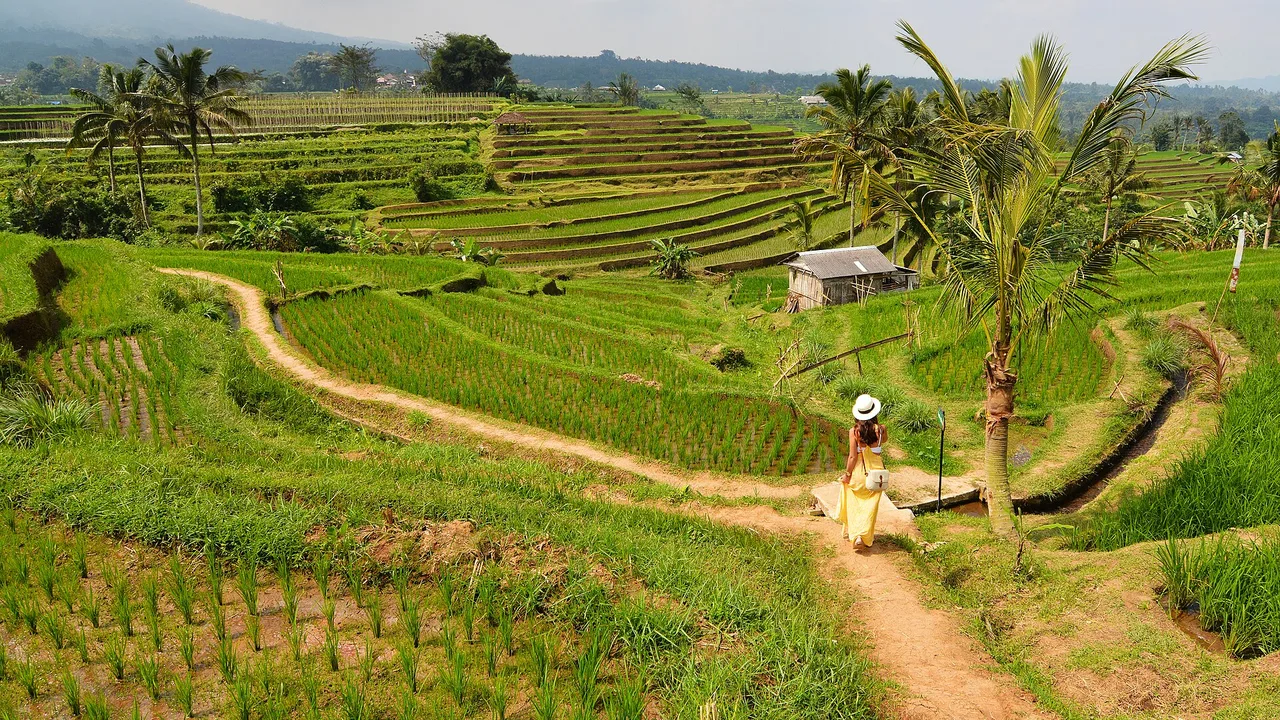
In Bali, temples are active places of worship. Visitors must wear a sarong and a sash, which are often provided or rented at the entrance, and shoulders should be covered. Do not step on offerings (canang sari) placed on the ground, and never climb on shrines or temple walls. Women who are menstruating are traditionally asked not to enter temples.
Outside Bali, most Indonesians are Muslim. In Yogyakarta, Lombok or Jakarta, modest dress away from the beach is appreciated, and during Ramadan it is polite not to eat or drink conspicuously in public during the day. Touching someone’s head is considered impolite, and pointing with your index finger is better replaced with your thumb or an open hand. A visit to Bali’s temples with a local guide is the best way to learn the details.
Sarong and sash in Bali temples, modest dress elsewhere, right hand for giving and receiving.
Cover shoulders and knees, remove shoes where asked, keep calm and friendly.
Vietnam: Pagodas, Family Altars and Face
In Vietnam, pagodas, temples and sites such as the Imperial City in Hue or the Ho Chi Minh Mausoleum in Hanoi require covered shoulders and knees; the mausoleum also has strict rules on behaviour and photography. Many homes have family altars: do not touch offerings, and avoid posing for photos with your back to an altar. When invited for a meal, wait for the eldest person to begin, and do not leave chopsticks standing upright in rice, which is associated with funerals.
Vietnamese culture values harmony. Disagreements are better handled with a smile and patience than with confrontation, which is also good advice when bargaining.
The Philippines: Warmth and Respect Words
The Philippines is mainly Catholic, with a Muslim population especially in parts of Mindanao. Churches such as those in Vigan or Cebu are active places of worship, so dress modestly and be quiet during mass. Filipinos use “po” and “opo” to show respect, especially to elders, and you may see younger people take an elder’s hand to their forehead, a gesture called “mano”. Visitors are not expected to do it, but recognising it shows respect.
Tanzania and Kenya: Greetings and the Swahili Coast
In East Africa, greetings are essential. Start with “Jambo” or “Habari” before asking anything. In Tanzania, children and younger adults greet elders with “Shikamoo”, to which the elder replies “Marahaba”. Taking time to greet properly is often the difference between a transaction and a friendly encounter.
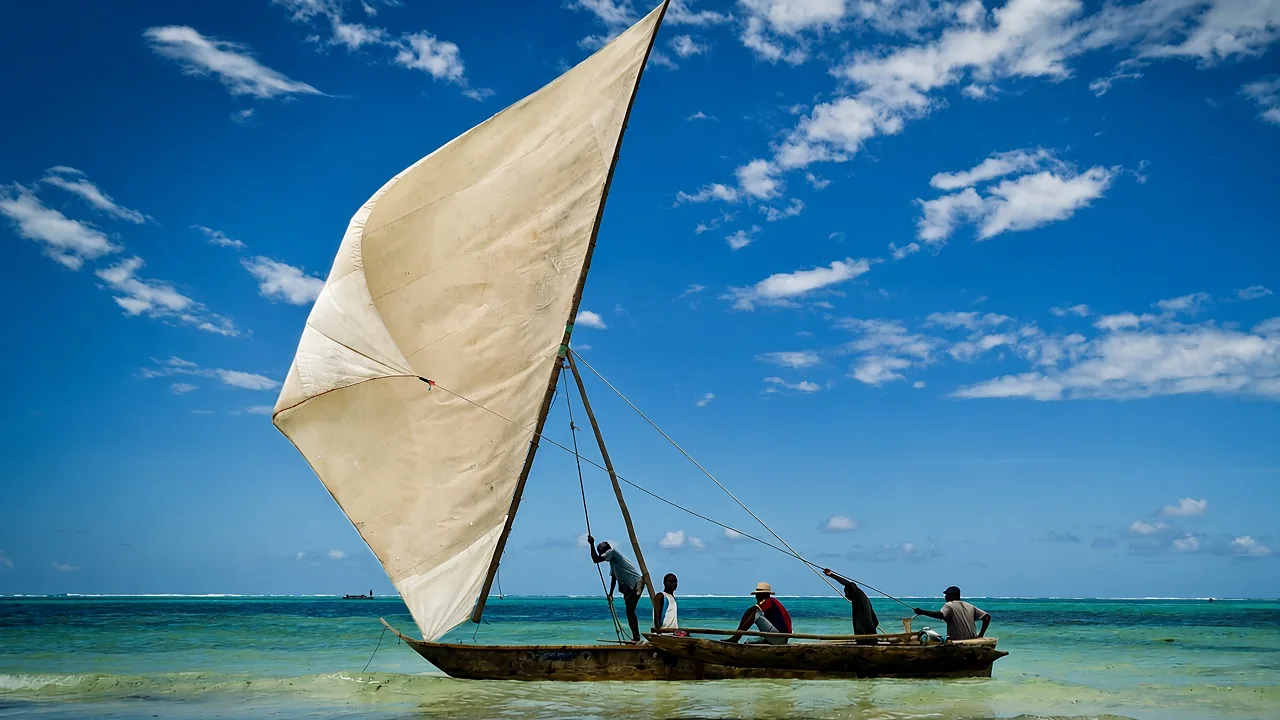
On the Swahili coast, in Zanzibar‘s Stone Town and in Lamu, the population is predominantly Muslim. Cover shoulders and knees in town, and keep swimwear for the beach and your hotel. During Ramadan, be discreet about eating and drinking in public. On a cultural visit to a Maasai or Samburu village, for example near the Masai Mara or in Samburu, follow your guide’s lead, and always ask before taking photos of people.
| Place | What to wear | Key etiquette |
|---|---|---|
| Temples in Bali | Sarong, sash, covered shoulders | Do not step on offerings or climb shrines |
| Pagodas and palaces in Vietnam | Covered shoulders and knees | Remove shoes where asked, speak quietly |
| Churches in the Philippines | Modest clothing | Quiet during services |
| Stone Town and Lamu | Shoulders and knees covered | Swimwear only at beach or hotel |
| Villages in Kenya, Tanzania, Madagascar | Modest, practical clothing | Greet elders first, ask before photos |
| Beaches everywhere | Swimwear on the beach only | Topless sunbathing is generally not acceptable |
Madagascar: Understanding Fady
In Madagascar, many communities observe fady, local taboos that can relate to places, foods, animals, days or actions. A fady might forbid pointing at a tomb, eating pork in a certain village, or swimming in a particular lake. Fady vary from region to region and even from village to village, so nobody expects visitors to know them all. What matters is to ask, listen and respect.
Ancestors play a central role in Malagasy culture. Tombs are sacred, and ceremonies such as the famadihana (the turning of the bones) in the highlands are family events, not tourist shows. Your local guide or driver will explain what is fady in each area, whether near Andasibe, Fianarantsoa or on the Highland Culture and Heritage tour.
- Ask your local expert before you go: they live there and know the customs village by village.
- Add a local guide for temples, villages and markets, where context matters most.
- Plan by chat with IndonesiaAssist, VietnamAssist, TanzaniaAssist or MadaAssist.
Photography: The Etiquette That Matters Most
Cameras and phones are where most cultural misunderstandings happen. Ask before photographing people, especially children, elders and anyone at prayer. Some communities may ask for a small payment for photos; agree on it clearly or put the camera away. Never photograph military sites, police or government buildings, and respect signs that forbid photography at religious sites. Drones usually need permits, and in many national parks they are not allowed at all.
Respect Is the Real Local Experience
Travelling like a local is not about pretending to be from somewhere. It is about understanding how things are done and joining in respectfully. Our local experts share these details naturally when they plan your trip with you, and they are there in your chat if you are unsure in the moment.
Read on: tipping customs and bargaining like a local.
Frequently Asked Questions
What should I wear to visit temples in Bali?
A sarong and sash, with covered shoulders. They are often available at the entrance. Do not step on offerings.
Can I wear shorts in Zanzibar?
On the beach and at your hotel, yes. In Stone Town and villages, cover shoulders and knees out of respect.
What is fady in Madagascar?
Fady are local taboos that vary by region and village. Your local guide or driver will tell you what applies where.
Is it OK to photograph people?
Always ask first, and respect a no. Some communities may ask for a small payment for photos.
Travel Respectfully, with Locals Who Know
Our local experts explain the customs that matter on your route and plan your trip by chat in real time.
Plan Indonesia Plan Tanzania