Few travel questions cause as much quiet stress as tipping. Tip too little and you worry you have offended someone who worked hard for you. Tip too much and you may distort local expectations or simply waste money. The rules are rarely written down, and they change from one country to the next, sometimes from one town to the next.
The good news is that tipping follows a logic, and once you understand it you can travel with confidence anywhere. This guide explains that logic, then shows how it plays out in the countries where our local teams live and work: Madagascar, Tanzania, Kenya, the Philippines, Indonesia and Vietnam. We deliberately do not give fixed amounts. Wages, currencies and expectations move every year, and a number copied from an old forum post is often wrong. Instead, ask your local expert for the current guideline before you travel. That is exactly the kind of question they answer every day.
The Logic Behind Tipping Anywhere
Before looking at individual countries, it helps to understand three principles that hold almost everywhere in Africa and Southeast Asia.
- Tips reward personal service. Guides, drivers, porters and housekeeping staff often depend on tips far more than the staff of a city restaurant.
- Service charges are not always tips. A line on the bill marked “service” may or may not reach the staff. Asking politely is normal.
- Local currency is best. Small notes in the local currency are easier for the recipient to use than foreign coins, which banks usually will not exchange.
A fourth principle is simply respect. Hand a tip over discreetly, with a thank you, ideally with your right hand. In many cultures in this part of the world, a public show of generosity can embarrass the person receiving it.
Safari Countries: Tanzania and Kenya
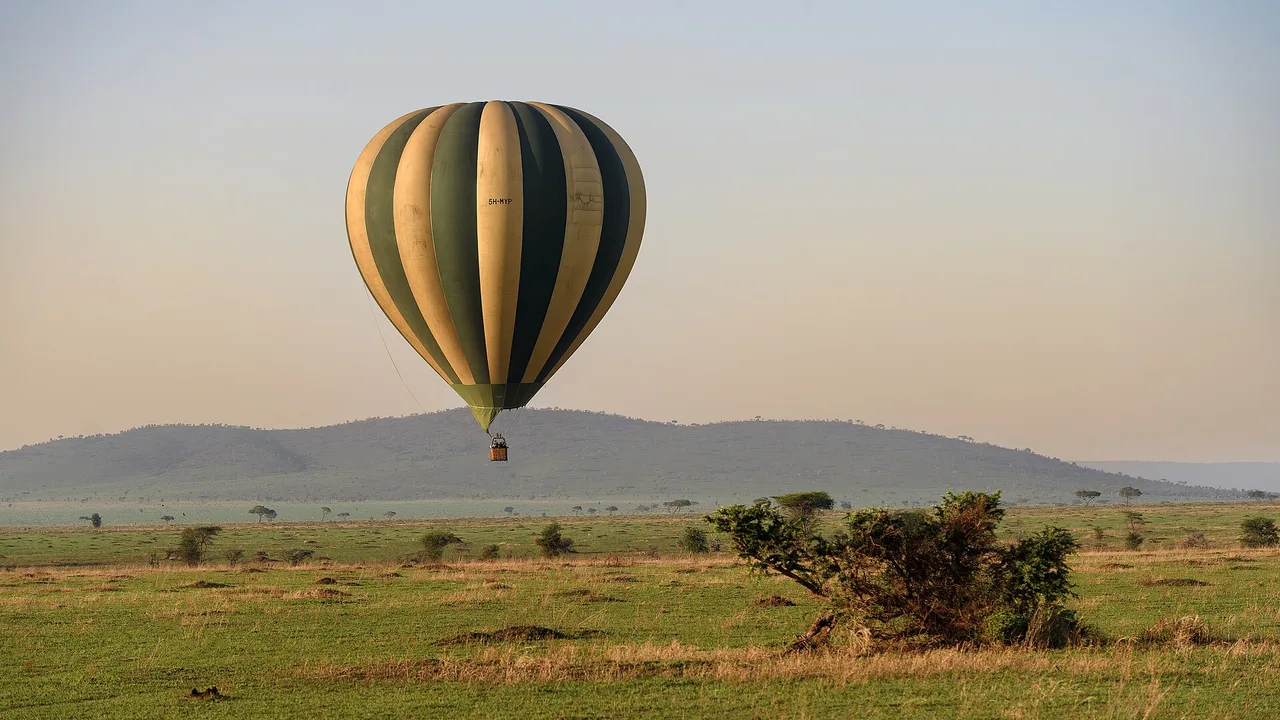
On safari, tipping is part of the culture of the industry. Your driver-guide spends long days with you, reads the bush, positions the vehicle for the best view and keeps you safe. Most travellers tip guides at the end of the safari rather than daily, in an envelope, and many camps also have a shared tip box for kitchen and housekeeping staff. Trekking crews on Kilimanjaro and Mount Kenya are usually tipped as a team at the end of the climb, often in a small ceremony.
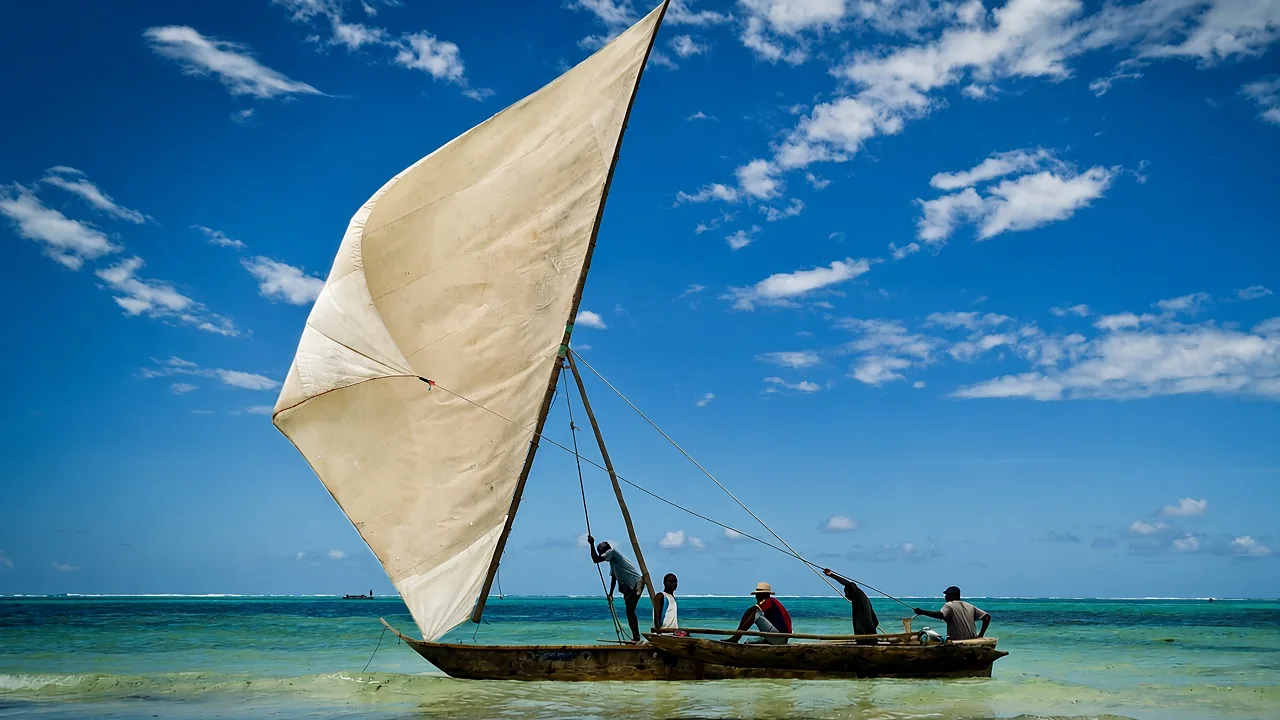
In restaurants in Nairobi, Arusha or Dar es Salaam, check the bill first. Some places include service; where they do not, rounding up or leaving a modest tip is appreciated. On the coast, in Zanzibar or Diani Beach, the same applies to beach restaurants and boat crews on day trips.
Safari guides and Kilimanjaro crews are usually tipped at the end. Camps often run a shared staff tip box.
Tip your driver-guide at the end of the safari. Conservancies and lodges usually explain their staff tipping system at check-in.
Tipping is not part of everyday Malagasy life. Visitors often thank multi-day drivers and park guides, but it is always optional.
Madagascar: Tipping on the Road
Tipping is not traditionally part of Malagasy culture. Locals pay the listed or agreed price, and nobody rounds up at restaurants, shops or markets. For visitors, a tip is not expected but warmly appreciated, especially for a private driver who has spent a week or more with you on routes such as the RN7, and for local park guides and trackers in parks such as Andasibe, Ranomafana or Isalo. If you pay the exact price, nobody is short-changed.
A practical tip from our local team: carry a stack of small 1,000 ariary notes for small favours and everyday encounters. ATMs only give large notes, so ask a petrol station or your driver to help you change them. Read our deep dive on tipping in Madagascar for what travellers ask us, different views within our team, and how to get small notes.
The Philippines: Service Charges and Island Hopping
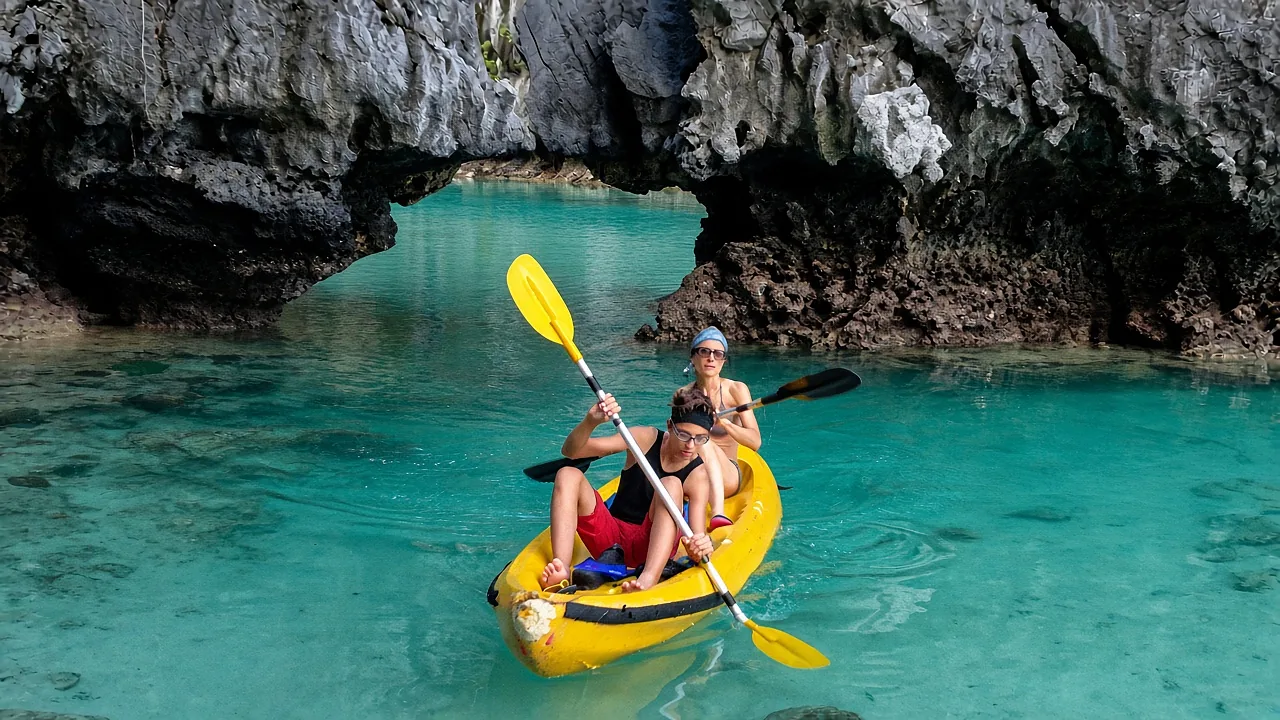
In the Philippines, many restaurants and hotels add a service charge to the bill. Where that is the case, an additional tip is optional. Where it is not, leaving a little for good service is a common courtesy. Tipping is very much appreciated by boat crews on island-hopping trips in El Nido or Coron, by dive guides, and by drivers on private transfers.
Filipinos are famously warm hosts, and a sincere “salamat po” (thank you, said respectfully) matters as much as the money. For airport transfers, porters and hotel staff, small peso notes are ideal.
Indonesia: Read the “++” on the Menu
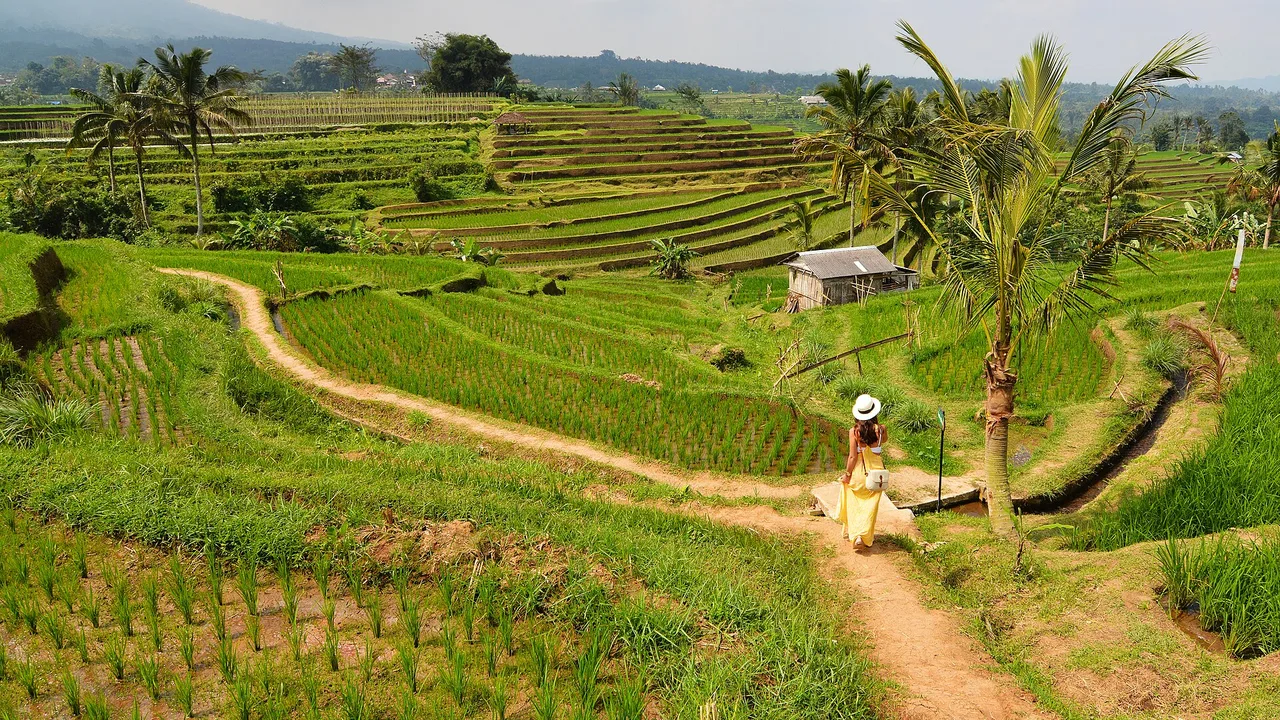
In Indonesia, especially in Bali, menu prices are often shown with “++”. This means government tax and a service charge are added at the end. In that case extra tipping is optional, but it is common to leave small change for great service. In local warungs, no tip is expected, though rounding up is friendly.
Drivers, guides and spa therapists are the people most often tipped. A driver who has taken you around Bali for a full day, or a guide who led you up a volcano before sunrise, will appreciate a tip handed over at the end.
Vietnam: Not Expected, Always Appreciated
Tipping is not a traditional part of Vietnamese culture, and in street food stalls and small family restaurants nobody expects it. In tourist areas, however, it has become common to tip guides and drivers on private tours, boat crews on overnight cruises in Ha Long Bay, and staff in upmarket hotels and spas. Many cruises provide an envelope at the end of the trip.
If you are unsure, the easiest approach in Vietnam is to tip for personal service and not for simple transactions.
| Country | Restaurants | Guides and drivers | Good to know |
|---|---|---|---|
| Madagascar | Not expected; locals pay the exact price | Not expected locally; appreciated for private drivers and park guides | Carry small 1,000 ariary notes |
| Tanzania | Check for service charge | Customary on safari and treks | Crews often tipped as a team |
| Kenya | Check for service charge | Customary on safari | Many lodges have a staff tip box |
| Philippines | Optional if service charge is added | Appreciated, especially boat crews | Small peso notes are ideal |
| Indonesia | Optional if “++” applies | Appreciated for full-day service | Warungs: no tip expected |
| Vietnam | Not expected in local places | Common on private tours and cruises | Tip for personal service |
- Ask your local expert at MadaAssist, TanzaniaAssist or KenyaAssist for Africa.
- For Asia, ask PhilippinesAssist, IndonesiaAssist or VietnamAssist.
- They know today’s local practice, not last decade’s forum advice.
Practical Tips for Tipping Like a Local
- Plan your cash. ATMs can be scarce outside cities. Withdraw enough local currency before long road trips or safaris.
- Use envelopes. For guides and crews, an envelope is discreet and lets you add a short thank-you note.
- Tip the person, not the company. If you want your guide to receive the money, hand it to them directly.
- Do not tip children. Giving money to children who ask for it can keep them out of school. Supporting a local school or project through your guide is a better choice.
- Ask without embarrassment. Locals understand that customs differ. Asking “is service included?” is perfectly normal.
Why Local Knowledge Beats a Tipping Chart
Tipping charts on international websites often average out whole continents. In reality, a safari camp in the Serengeti, a family guesthouse in Fianarantsoa and a boutique villa in Ubud follow different norms. Our local experts live in these places and know what is normal today. Because you plan your trip with them by chat in real time, you can simply ask before you go, or during the trip when a situation comes up, and get a straight answer within the conversation.
For more ways to travel like a local, read our guides to bargaining in markets and local etiquette and dress.
Frequently Asked Questions
Is tipping mandatory in Africa and Southeast Asia?
No. Tipping is voluntary everywhere. It is customary for personal services such as guiding, driving and safari camp staff in Tanzania and Kenya. In Madagascar it is not part of local culture, but visitors are welcome to thank drivers and guides.
Should I tip in US dollars or local currency?
Local currency is usually the most practical for the recipient. On some safaris, US dollars are also commonly used. Ask your local expert what is easiest for your route.
Do I need to tip if a service charge is on the bill?
Not necessarily. A service charge often replaces or reduces the tip. You can still leave a little extra for exceptional service.
When should I tip my safari guide or driver?
Most travellers tip at the end of the trip, discreetly and in an envelope, rather than every day.
Travel Like a Local, with Local Experts
Tell us where you are going and we will explain the local customs, from tipping to timing, while we plan your trip by chat in real time.
Plan Africa with TanzaniaAssist Plan Asia with IndonesiaAssist