“Is it the rainy season?” For many travellers, those words are enough to cancel a plan. Yet rainy seasons in the tropics are very different from a grey week of drizzle in Europe. Sometimes they mean a short, heavy shower in the afternoon followed by sunshine. Sometimes they mean flooded roads and closed camps. And sometimes they bring the greenest landscapes, the lowest prices and the fewest crowds of the year.
This guide explains how seasons really work in the regions where our local teams live: East Africa, Madagascar and Southeast Asia. Understanding the pattern helps you choose the right destination for your dates, and decide when the rainy season is worth it. For a month-by-month shortlist, see where to travel by month.
Why the Tropics Have Wet and Dry Seasons
Near the equator, temperatures change little through the year. What changes is rainfall. Belts of rain move north and south with the seasons, and monsoon winds bring moist air from the ocean at certain times of year. The result is a pattern of wet and dry seasons that varies from one region to another, sometimes within the same country. That is why “the rainy season in Vietnam” or “the dry season in Madagascar” can mean different months on different coasts.
East Africa: Long Rains and Short Rains
Tanzania and Kenya usually have two rainy seasons:
| Season | Approximate months | What it means for travel |
|---|---|---|
| Short dry season | January to February | Good safari weather; calving in the southern Serengeti |
| Long rains | March to May | Green, quiet, some roads and camps affected; low season |
| Long dry season | June to October | Classic safari time; animals gather around water |
| Short rains | November to December | Usually short showers; green landscapes, good value |
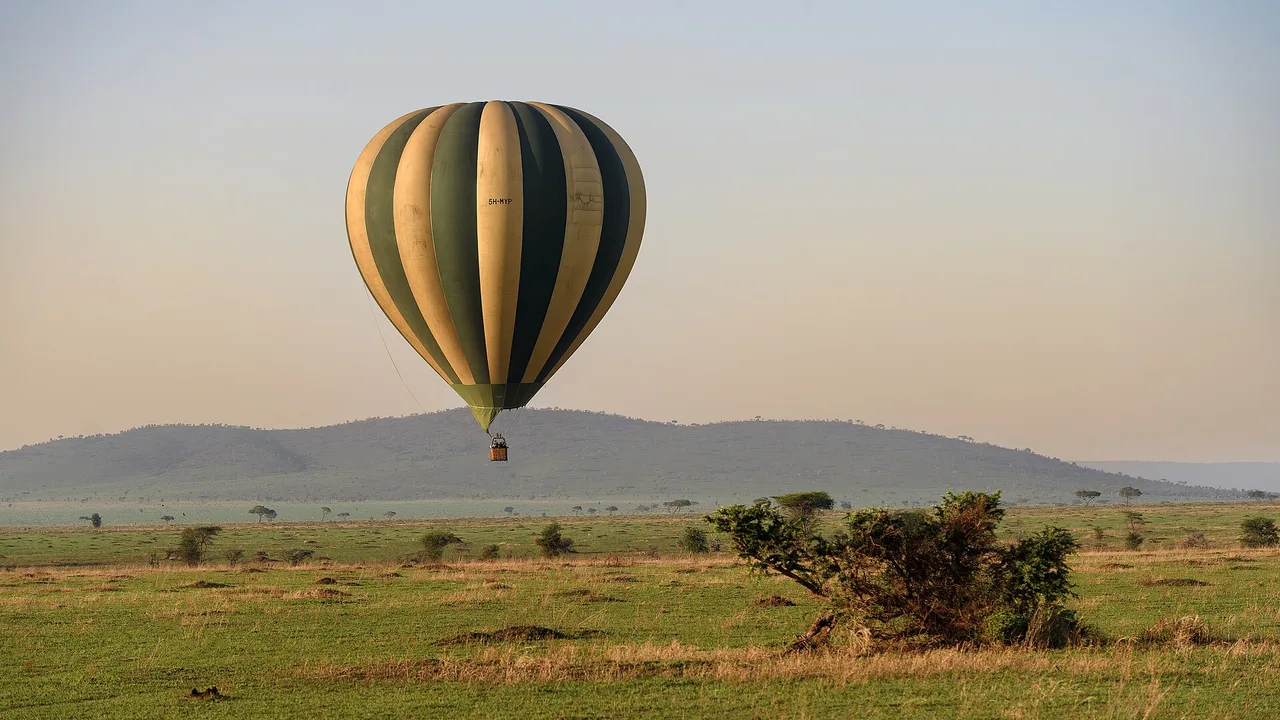
The long rains, usually heaviest in April, are the time when some camps close and certain tracks become difficult. The short rains are generally lighter. On the coast, in Zanzibar and around Mombasa, the pattern is similar. Many safari lovers actually prefer the shoulder months for fewer vehicles at sightings. Your local team at TanzaniaAssist or KenyaAssist can tell you which parks, such as Tarangire or Amboseli, work well in which month.
Madagascar: One Island, Several Climates
Madagascar has a broad pattern of a dry season from roughly April to November and a hot, wet season from roughly December to March, when cyclones can also occur, especially in the east and north. But the island is large and mountainous, so climates vary:
- The east coast, including Tamatave and Sainte-Marie, receives rain for much of the year, with the driest period usually in the southern spring.
- The west and south, such as Morondava and Tulear, are much drier, and some roads in the west become impassable in the wet season.
- The highlands, around Antananarivo, are mild and can be chilly at night in the dry winter months.
- The north, including Nosy Be, has its own microclimate and is often a good beach option for much of the year outside the wet season.
Long rains around March to May, short rains around November and December.
Best roughly April to November; cyclone risk mainly December to March.
Southeast Asia: Monsoons, Typhoons and Regional Differences
The Philippines
The Philippines has a dry season roughly from December to May, cooler at the start and hot by April and May, and a wet season roughly from June to November with the southwest monsoon. Typhoons can occur in the wet season and occasionally outside it, affecting mainly the northern and central regions. Mindanao in the south is less often in the path of typhoons. For island hopping in El Nido or Coron, the dry months are the most reliable.
Indonesia
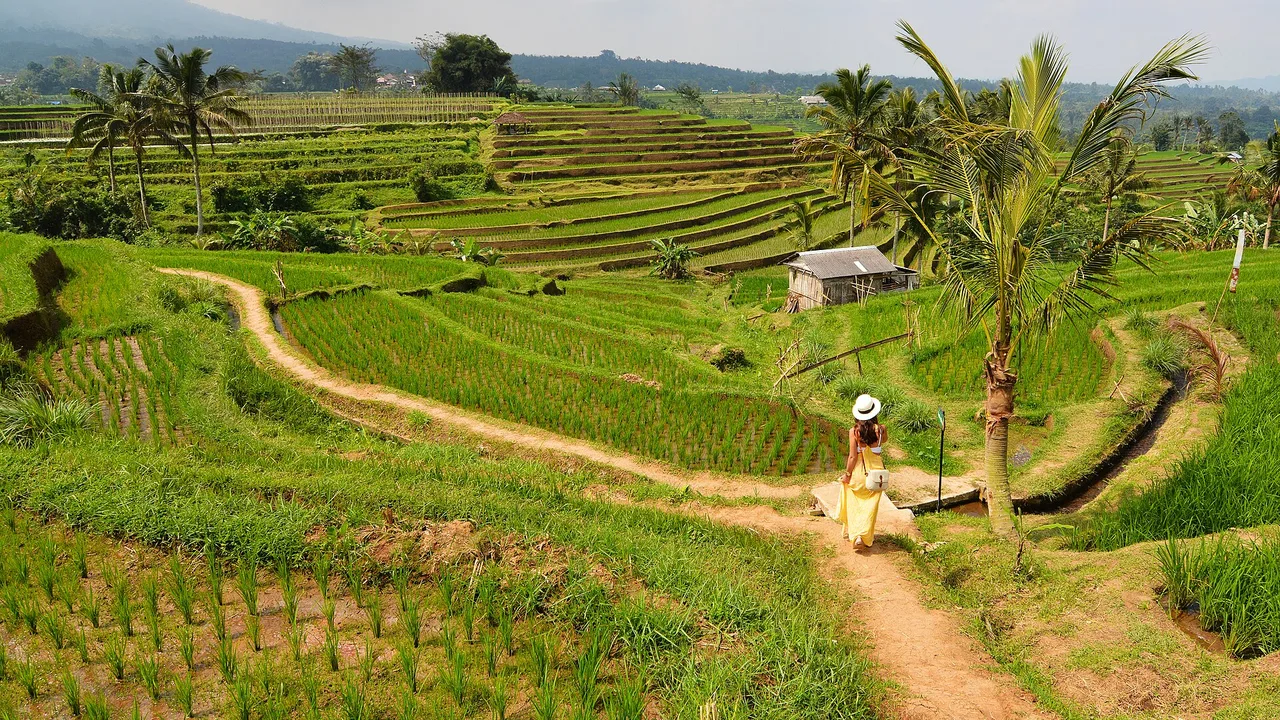
For Bali, Java and the Lesser Sunda Islands such as Lombok, Flores and Sumba, the dry season usually runs from about April or May to September or October, with the wet season from about November to March. Rain often falls in heavy afternoon bursts. Some regions, however, follow different patterns: Raja Ampat in the far east is popular from roughly October to April, when seas are calmer.
Vietnam
Vietnam stretches over 1,600 kilometres from north to south, so it effectively has three climates. The north, including Hanoi, has a cool, sometimes cold, winter and a hot, rainy summer. The central coast, including Hoi An and Hue, is usually driest from about February to August, with its rainy and typhoon season around September to December. The south, including Ho Chi Minh City and the Mekong Delta, has a dry season from about December to April and a wet season from about May to November.
Cambodia
Cambodia’s dry season runs roughly from November to April, becoming very hot towards the end, and the wet season roughly from May to October. The temples around Siem Reap are beautifully green in the rains, with fewer visitors.
When the Rainy Season Is Worth It
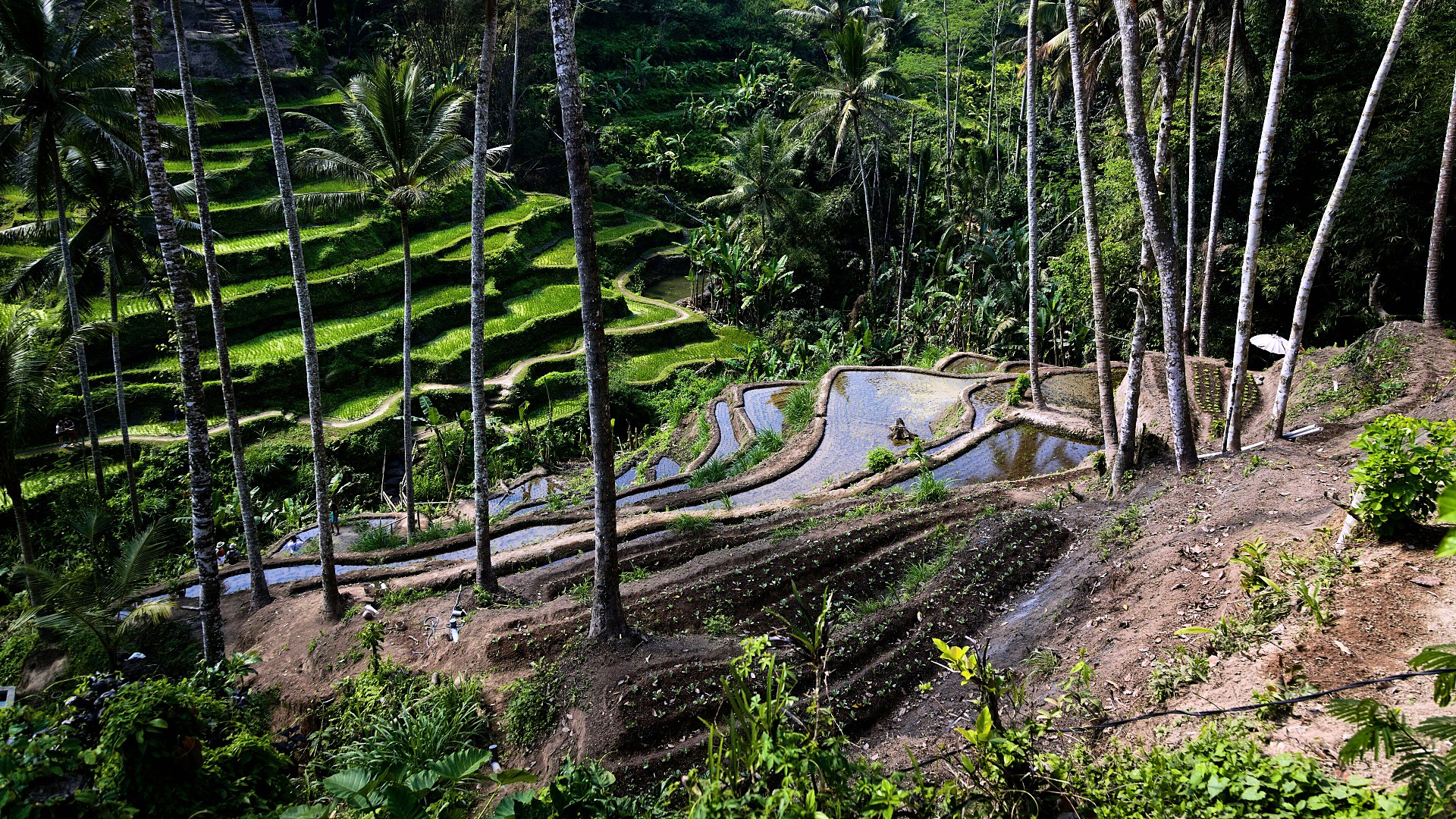
- Green landscapes: rice terraces in Bali and Vietnam, rainforests in Madagascar, lush savannah in East Africa.
- Fewer visitors at popular sights and on game drives.
- Better availability in sought-after lodges and hotels.
- Dramatic skies and waterfalls at full flow for photographers.
- Flexibility needed: plan buffer days and choose regions with lighter rain.
When to Avoid It
Some trips depend heavily on dry conditions: overland routes on unpaved roads in western Madagascar, boat-based island hopping in typhoon months, and trekking on steep trails. For these, the dry season is strongly recommended. Always check travel advisories for tropical storms and cyclones close to your travel date, and make sure your travel insurance covers weather disruption.
- Tell our local experts your dates and route; they will tell you honestly what to expect.
- Ask about alternative regions that are dry when your first choice is wet.
- Plan by chat with MadaAssist, PhilippinesAssist, IndonesiaAssist or VietnamAssist.
Frequently Asked Questions
Is it worth travelling in the rainy season?
Often yes, for green landscapes, fewer visitors and better availability, as long as your route does not depend on dry roads or calm seas.
When is cyclone season in Madagascar?
Cyclones mainly occur in the wet season, roughly December to March, most often affecting the east and north.
When is typhoon season in the Philippines?
Typhoons are most common from roughly June to November, though they can occur at other times.
Does Vietnam have one rainy season?
No. The north, centre and south have different patterns, so there is almost always a part of Vietnam with good weather.
Travel in the Right Season, with Local Insight
Our local experts know how this year’s seasons are shaping up and plan your route around the weather, by chat in real time.
Plan Madagascar Plan Vietnam