In much of Africa and Southeast Asia, the smartphone is not a gadget. It is the bank, the taxi rank, the shop and the post office. Kenya pioneered mobile money with M-Pesa, Filipinos pay with GCash and Maya, Indonesians scan QR codes for almost everything, and in Vietnam a quick bank transfer by QR code is often how you pay at a café.
To travel like a local, you need to be connected like one. This guide explains how SIM cards, eSIMs and mobile money work in the countries where our teams are based, what is realistic for visitors, and how staying connected also keeps you in touch with your local expert throughout the trip.
Local SIM, eSIM or Roaming?
- Roaming from your home provider is the easiest option but can be very expensive outside your home region. Check your plan before you leave.
- A travel eSIM bought online before departure gives you data the moment you land. It usually provides data only, without a local phone number.
- A local SIM card from a national operator usually gives the best coverage and the cheapest data, plus a local number. It requires registration with your passport.
For most of our travellers, the sweet spot is an eSIM for the first hours and a local SIM for longer stays, or a local SIM bought at the airport on arrival. Remember that your phone must be unlocked to use a foreign SIM.
SIM Registration: Bring Your Passport
All of the countries covered here require SIM cards to be registered with identification, and for visitors that means your passport. Buy SIM cards from official operator shops or airport counters rather than from street sellers, so that the registration is done correctly and the SIM keeps working.
| Country | Mobile money locals use | What visitors should know |
|---|---|---|
| Kenya | M-Pesa (Safaricom), Airtel Money | Visitors can often register M-Pesa with a passport at official shops |
| Tanzania | M-Pesa (Vodacom), Airtel Money and others | Widely used for payments and transfers |
| Madagascar | MVola, Orange Money, Airtel Money | Common in towns; cash remains essential in rural areas |
| Philippines | GCash, Maya | Full use often requires local verification; cards work in cities |
| Indonesia | QRIS codes, GoPay, OVO, DANA | QR payments are everywhere; cash still matters in small places |
| Vietnam | Bank QR transfers, MoMo and other e-wallets | QR payments common; cash useful for street food and markets |
Rules and products change often, so treat the table as an overview. Your local expert can tell you what works best for visitors right now.
Kenya and Tanzania: The Home of Mobile Money
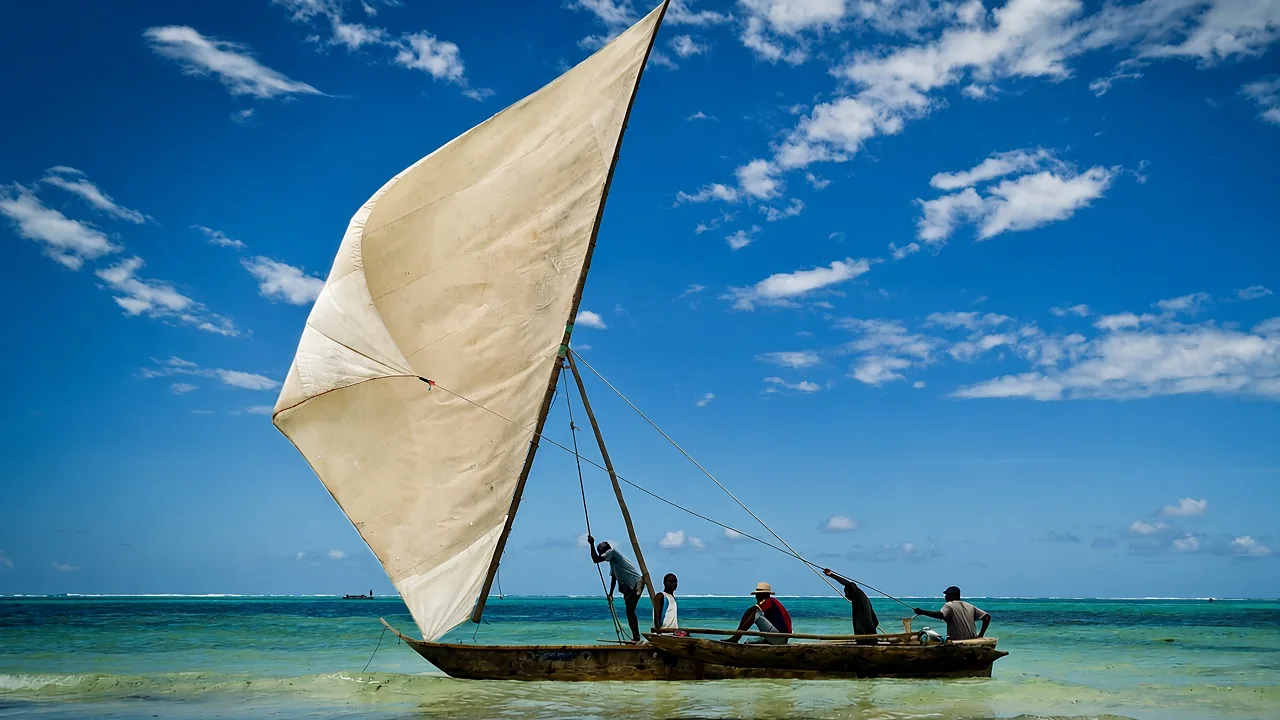
M-Pesa launched in Kenya in 2007 and transformed how people send and receive money. Today you can pay for a taxi, a market purchase or a restaurant meal in Nairobi with a few taps. Visitors can often register for M-Pesa with a passport at an official Safaricom shop, which can be convenient for longer trips. In Tanzania, mobile money is just as common, with M-Pesa operated by Vodacom alongside other providers. In Dar es Salaam, Arusha or Zanzibar, you will see payment numbers painted on shop walls.
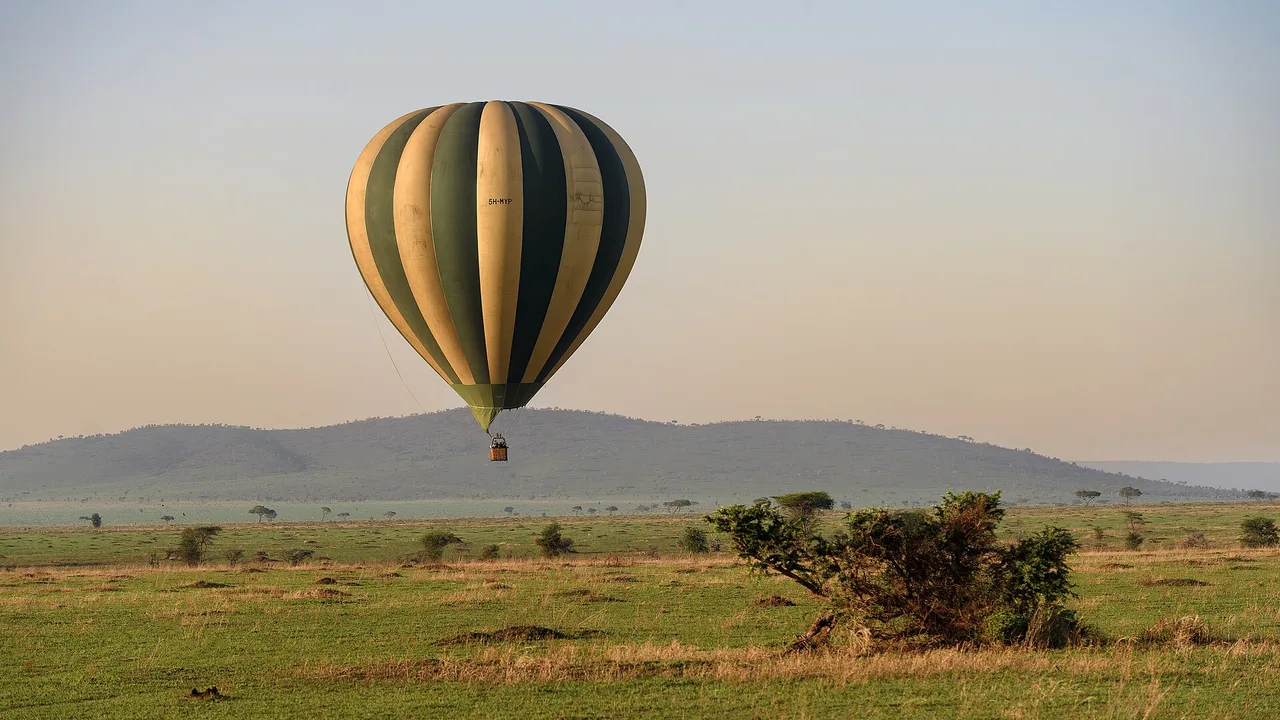
On safari, coverage in parks such as the Masai Mara or the Serengeti varies. Many lodges offer Wi-Fi, but expect patchy signal on game drives.
Madagascar: Cash Plus Mobile Money
In Madagascar, mobile money services such as MVola and Orange Money are widely used by locals in towns, but cash in ariary is still essential, especially outside Antananarivo and the main tourist hubs. Mobile coverage is good in towns and along main roads, and patchier in remote areas such as parts of the west or the deep south. Plan cash for long road trips, and keep your driver’s or guide’s number handy.
Mobile money is part of daily life. Get a local SIM with your passport and keep cash for rural areas.
QR payments and e-wallets are everywhere in cities. Cards work in many hotels and malls; cash for markets and islands.
The Philippines: GCash, Maya and Island Signal
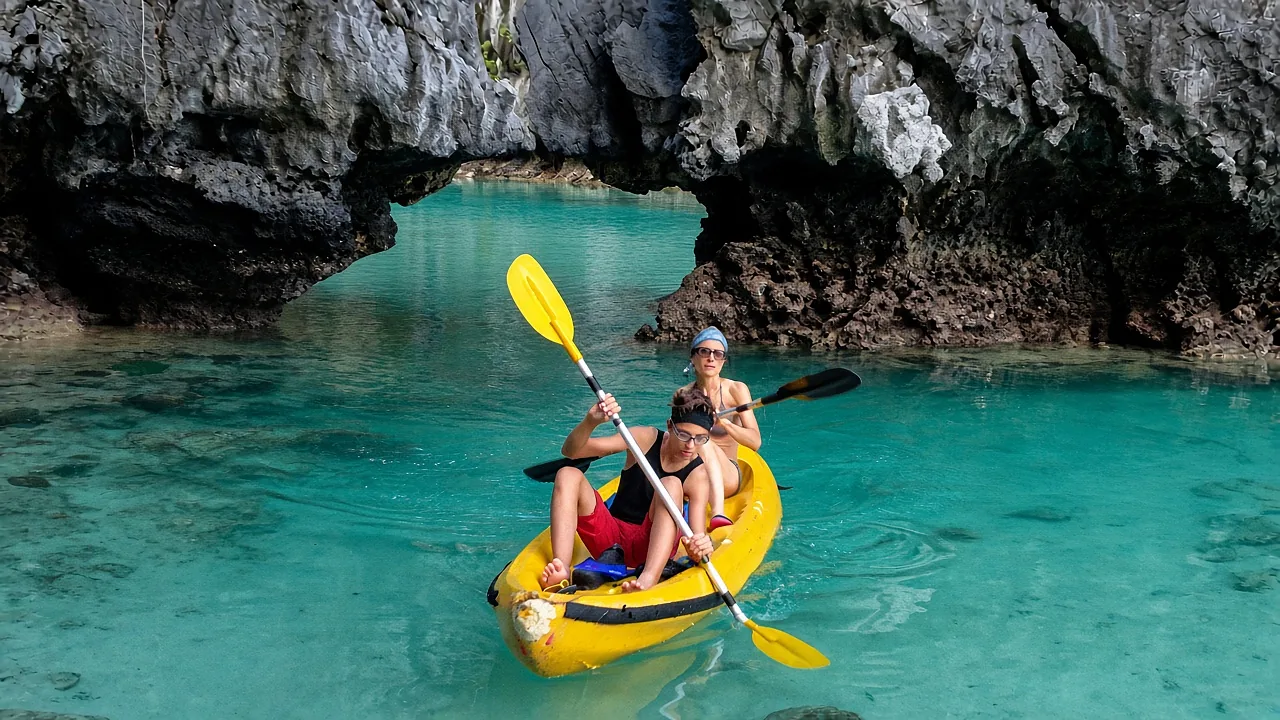
In the Philippines, GCash and Maya are everyday payment apps. Full verification often requires local documents, so many visitors rely on cards in cities and cash on islands. Data coverage is good in cities such as Manila and Cebu, but on remote beaches or boat trips around Coron or Siargao it can disappear. Download maps offline before island-hopping days.
Indonesia: QR Codes Everywhere
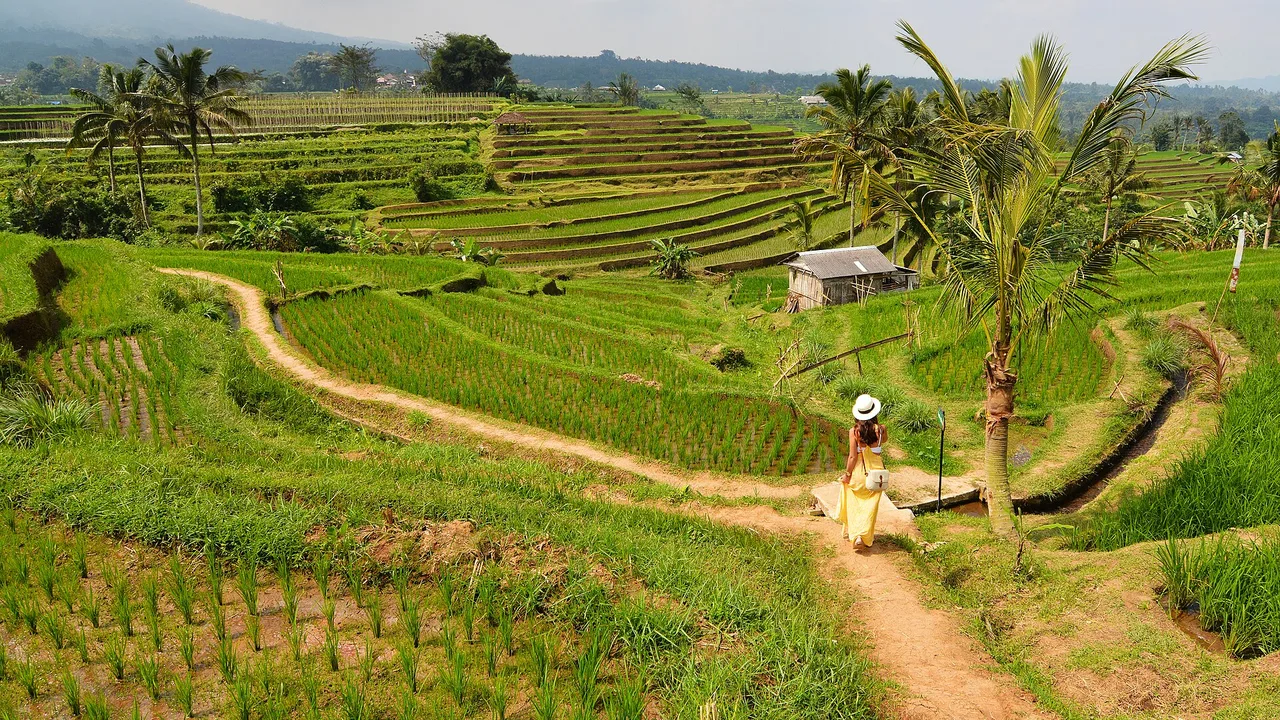
Indonesia’s national QR standard, QRIS, lets one code accept payments from many apps and banks. In Bali, Jakarta and Yogyakarta, you will see QR stands in warungs, shops and attractions. Some international payment apps and cards can now scan QRIS, but this depends on your bank. Cash remains important on smaller islands such as those near Labuan Bajo.
Vietnam: Fast Data and QR Transfers
Vietnam has fast, affordable mobile data and good coverage in most of the country. Locals increasingly pay by scanning a bank QR code, even at small cafés. As a visitor without a local bank account, cash and cards are usually simplest, but it is worth asking whether your bank or e-wallet supports QR payments. In mountain areas such as Ha Giang signal can be weaker.
- Unlock your phone before you travel.
- Bring your passport to register a local SIM.
- Buy from official shops or airport operator counters.
- Download offline maps and translation packs.
- Carry some cash in local currency for rural areas and markets.
- Save your local expert in your chat app so you can reach them during the trip.
- Once you are connected, you can message your local team during the trip, for a changed pick-up, a restaurant tip or a last-minute excursion.
- Plan in Africa with KenyaAssist, TanzaniaAssist or MadaAssist.
- Plan in Asia with PhilippinesAssist, IndonesiaAssist or VietnamAssist.
Why Connectivity Is Part of Travelling Like a Local
Being connected is not only about posting photos. It is what lets you live the destination the way locals do: order a ride, pay at a market stall, check the ferry schedule and change your plans on the go. It is also what makes our way of working possible. With Global Assist, you plan and adjust your trip by chat in real time with local experts, before and during your journey, instead of waiting for office hours or emails from abroad.
Read next: getting around like a local and how booking by chat works.
Frequently Asked Questions
Do I need a local SIM card or is an eSIM enough?
An eSIM is convenient for data from the moment you land. A local SIM usually offers the best coverage and a local number. Many travellers use both.
Can tourists use M-Pesa in Kenya?
In many cases, yes. Visitors can often register with a passport at an official Safaricom shop. Requirements can change, so ask in the shop or ask your local expert.
Will my credit card work?
In hotels, malls and larger restaurants in cities, usually yes. In markets, small eateries and rural areas, cash is still king.
Is there mobile signal on safari or on remote islands?
Coverage is improving but patchy in parks and remote islands. Many lodges offer Wi-Fi. Download offline maps before you go.
Stay Connected with Locals Who Know
Plan your trip with a local team that stays reachable by chat in real time, from your first question to your last transfer.
Plan Kenya Plan the Philippines