Every country has its own way of moving people around, and local transport is one of the most memorable parts of travel. Squeezing into a colourful jeepney in Manila, bouncing through Dar es Salaam in a three-wheeled bajaji or crossing a Madagascan highland town in a pousse-pousse rickshaw is a cultural experience in itself.
It can also be confusing, slow or, on some routes, unsafe. This guide explains the main types of local transport in the countries where our teams live, how locals use them, and when a pre-arranged driver or transfer is the better choice. It is part of our series on how to travel like a local, anywhere.
The Main Types of Local Transport at a Glance
| Country | Local favourites | Best for |
|---|---|---|
| Madagascar | Taxi-brousse (shared minibus), pousse-pousse (rickshaw), tuk-tuk in some towns | Short town rides; long distances are slow |
| Tanzania | Dala-dala (minibus), bajaji (tuk-tuk), boda-boda (motorbike taxi) | City hops; bajajis are handy in Dar es Salaam |
| Kenya | Matatu (minibus), boda-boda, tuk-tuk on the coast, ride-hailing apps in cities | Short urban trips; apps in Nairobi |
| Philippines | Jeepney, tricycle, multicab, bangka (outrigger boat) | Short rides and island hops |
| Indonesia | Ojek (motorbike taxi), bemo or angkot (minibus), ride-hailing apps | Cities and short distances |
| Vietnam | Xe om (motorbike taxi), cyclo, ride-hailing apps, sleeper buses | Cities; trains and buses between regions |
Madagascar: Taxi-Brousse and Pousse-Pousse
In Madagascar, the taxi-brousse, a shared minibus, connects towns across the island. It is cheap and very local, but departures usually wait until the vehicle is full, journeys are long and roads can be rough. For visitors with limited time, it is an experience rather than a practical way to cover big distances.
In towns such as Antsirabe, Tulear or Tamatave, pousse-pousses (hand-pulled or bicycle rickshaws) and tuk-tuks are part of daily life and fun for short rides. Agree the fare before you start. For the long routes, such as from Antananarivo down the RN7 to Isalo, most visitors travel with a private driver who knows the road, the stops and the timing.
Tanzania: Bajajis, Dala-Dalas and Boda-Bodas
In Dar es Salaam, the bajaji (a three-wheeled auto-rickshaw) is the easiest local ride for short distances. Dala-dalas, the minibuses that run fixed routes, are what most locals use daily; they are crowded and require some local knowledge of routes. Boda-bodas, motorbike taxis, are fast in traffic but carry real safety risks; if you use one, insist on a helmet. Ride-hailing apps operate in larger cities and help you avoid fare discussions.
Between Arusha, the safari parks and the coast, most travellers use safari vehicles, a private driver or domestic flights.
Kenya: Matatus and the Ride-Hailing Revolution
Kenya’s matatus are famous: brightly painted minibuses, often with loud music, running fixed routes across Nairobi and between towns. They are a genuine local experience, though crowded and sometimes fast. In Nairobi, ride-hailing apps are widely used by locals and visitors. On the coast, in Mombasa and Diani Beach, tuk-tuks are common for short rides.
Shared minibuses and motorbike taxis are local and cheap. For long distances and safaris, a private driver saves days.
Jeepneys, tricycles, ojeks and xe om for short trips, apps in big cities, boats between islands.
The Philippines: Jeepneys, Tricycles and Bangkas
The jeepney, originally built from leftover military jeeps after the Second World War, is a symbol of the Philippines. Jeepneys run fixed routes; you pass your fare forward to the driver and call out when you want to stop. Tricycles, motorbikes with a sidecar, cover the last mile in towns and on islands. Between islands, bangkas (outrigger boats) are the classic way to go island-hopping in El Nido and Coron. Larger ferries and short domestic flights connect regions.
For airport arrivals and longer drives, such as from Puerto Princesa to El Nido, a booked airport transfer or intercity transfer saves a lot of time.
Indonesia: Ojeks, Apps and Drivers by the Day
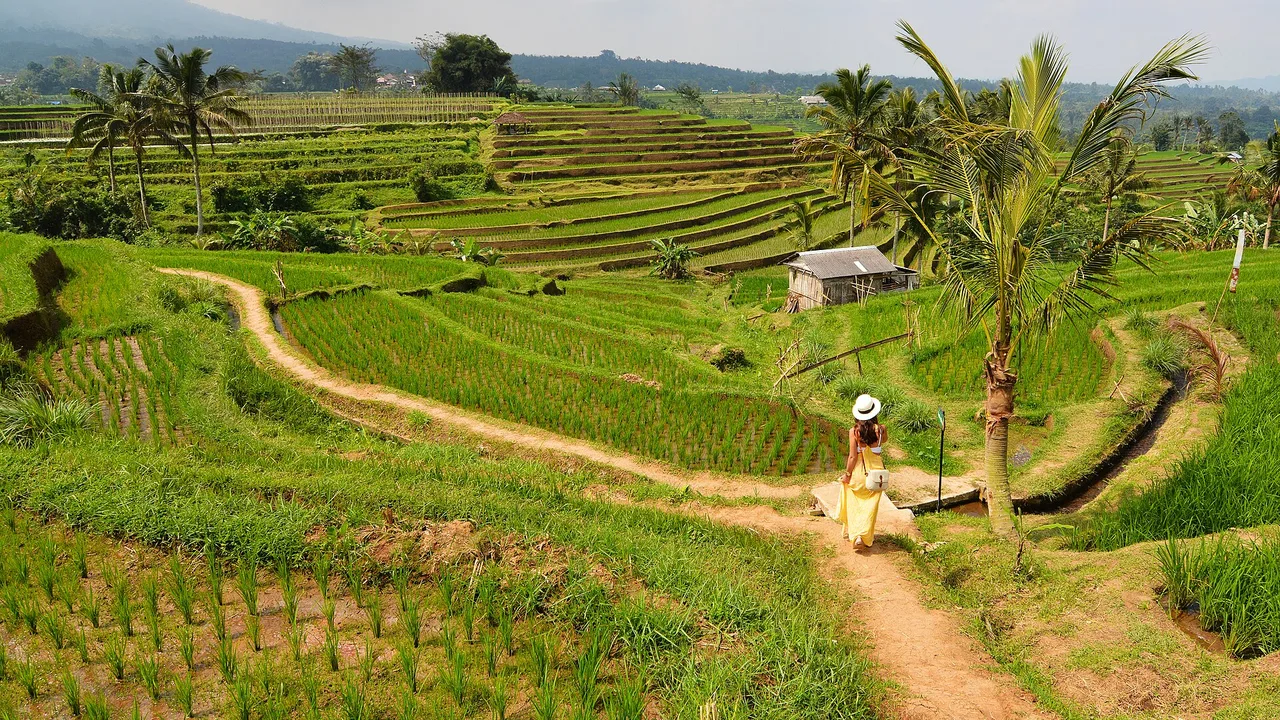
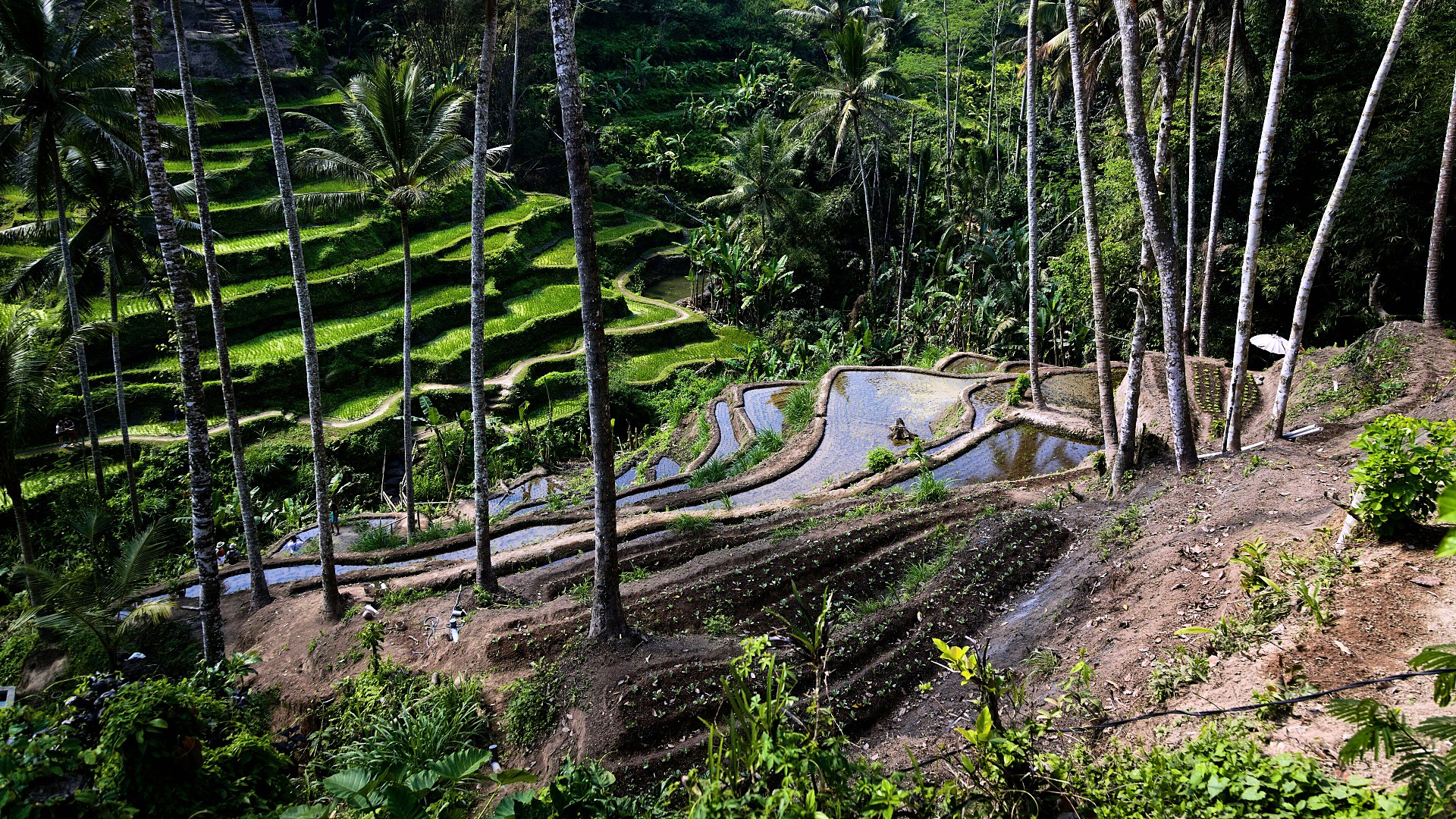
In Indonesia, the ojek (motorbike taxi) is the fastest way through traffic, and ride-hailing apps are used everywhere in big cities. In Bali, however, many visitors hire a private driver for the day: distances between Ubud, the temples, the rice terraces and the coast look short on a map but take time in traffic, and a driver who knows the island makes the day much easier. Some areas of Bali restrict app-based pick-ups, so it is worth asking locally.
Vietnam: Xe Om, Cyclos and the Reunification Railway
In Hanoi and Ho Chi Minh City, xe om (motorbike taxis) and ride-hailing apps are how locals move. Cyclos, pedal rickshaws, are now mostly a slow sightseeing ride. Between regions, trains along the north–south railway and sleeper buses are popular, and domestic flights cover long distances quickly. For routes such as the Hai Van Pass between Hue and Hoi An, a private driver lets you stop at viewpoints.
Staying Safe on Local Transport
- Agree the fare first when there is no meter or app price.
- Wear a helmet on any motorbike taxi, and check your travel insurance covers it.
- Avoid night journeys on long rural roads where possible.
- Keep valuables close in crowded minibuses and markets.
- Use official ferries and licensed boats, and wear the life jacket provided.
- Ask your local expert which options are safe and sensible for your specific route.
- Enjoy a jeepney, bajaji or tuk-tuk ride for fun, and leave the long drives to a trusted driver.
- Our local experts arrange airport transfers, intercity transfers and drivers by the day.
- Ask for the right mix for your route when you plan by chat.
Travel Like a Local, Not Like a Lost Local
Travelling like a local does not mean doing everything the hard way. Locals themselves choose the best option for each journey: a minibus to the market, a motorbike through traffic, a trusted driver for a long family trip. Our local experts help you make the same smart choices, and because they plan with you in real time by chat, plans can adapt when a ferry is cancelled or a road is closed.
Comparing options for longer drives? Read private driver vs rental car. Need data on the road? See SIM cards and mobile money.
Frequently Asked Questions
Are jeepneys and tuk-tuks safe for tourists?
For short rides in daytime they are generally fine and a great local experience. Keep valuables close, agree fares in advance and avoid overcrowded vehicles.
Are motorbike taxis safe?
They carry more risk than cars. If you use one, wear a helmet and check that your travel insurance covers it.
Is a taxi-brousse a good way to travel around Madagascar?
It is very local and cheap but slow and unpredictable. For visitors with limited time, a private driver is usually far more practical.
Can I use ride-hailing apps?
Yes, in the larger cities of Kenya, Tanzania, the Philippines, Indonesia and Vietnam. Availability varies outside cities.
Get Around Like a Local, with Local Experts
Tell us your route and we will suggest the best mix of local rides, drivers, boats and transfers, and arrange them by chat in real time.
Plan the Philippines Plan Madagascar