The Serengeti and the Masai Mara are not two separate safari worlds. They are one ecosystem split by a border, and the same herds of wildebeest and zebra move between Tanzania and Kenya every year. That is why so many travellers ask whether they can see both on one trip. The honest answer is yes, if you plan the route around the season, the border and the flights rather than around a map that makes everything look close.
This guide explains how the two countries compare, when the Great Migration is usually where, how a combined itinerary can work, and when it makes more sense to choose one country and do it well. Our local teams at TanzaniaAssist and KenyaAssist plan both sides of the border, so you can ask either of them to build the full route.
Tanzania or Kenya? The Short Version
Tanzania has the bigger parks and the classic Northern Circuit: Serengeti, Ngorongoro Crater and Tarangire, plus an easy beach finish on Zanzibar. Kenya has the Masai Mara, which is much smaller than the Serengeti but famous for dense predator sightings and river crossings in season, as well as Amboseli with its elephant herds below Kilimanjaro, Tsavo, and a coast around Diani Beach and Mombasa.
Huge distances, the full migration cycle across the year, the crater for a concentrated wildlife day, and Zanzibar as the natural beach add-on.
Compact, easy to reach from Nairobi, excellent for predators and the Mara River crossings in the dry season, with Kilimanjaro views from Amboseli.
Works best with about two weeks or more, one border crossing or one regional flight, and a clear idea of where the herds are likely to be in your month.
The Great Migration: Where the Herds Usually Are
The migration is a year-round loop of well over a million wildebeest, with large numbers of zebra and gazelle, following rain and fresh grass. Its timing shifts every year with the rains, so treat the calendar below as a planning guide, not a promise. A good guide and a flexible camp choice matter more than a fixed date.
| Months (approx.) | Where the herds usually are | Best base |
|---|---|---|
| December to March | Southern Serengeti and the Ndutu area; calving usually peaks around February | Tanzania |
| April to May | Moving through the central Serengeti; long rains, fewer visitors | Tanzania |
| June to July | Western corridor and Grumeti River, then heading north | Tanzania |
| July to October | Northern Serengeti and the Masai Mara; Mara River crossings | Tanzania (north) or Kenya (Mara) |
| November | Moving back south through the Serengeti with the short rains | Tanzania |
In short: if you travel between July and October, a combined trip lets you see the herds on the Kenyan side in the Mara and add the Ngorongoro Crater and Tarangire on the Tanzanian side. Outside those months, the migration is in Tanzania, and Kenya is the place for Amboseli, Tsavo and resident wildlife rather than the herds. Ask about the Great Migration Tracking tour if the herds are your main reason to travel.
Highlights Worth Building the Route Around
Serengeti
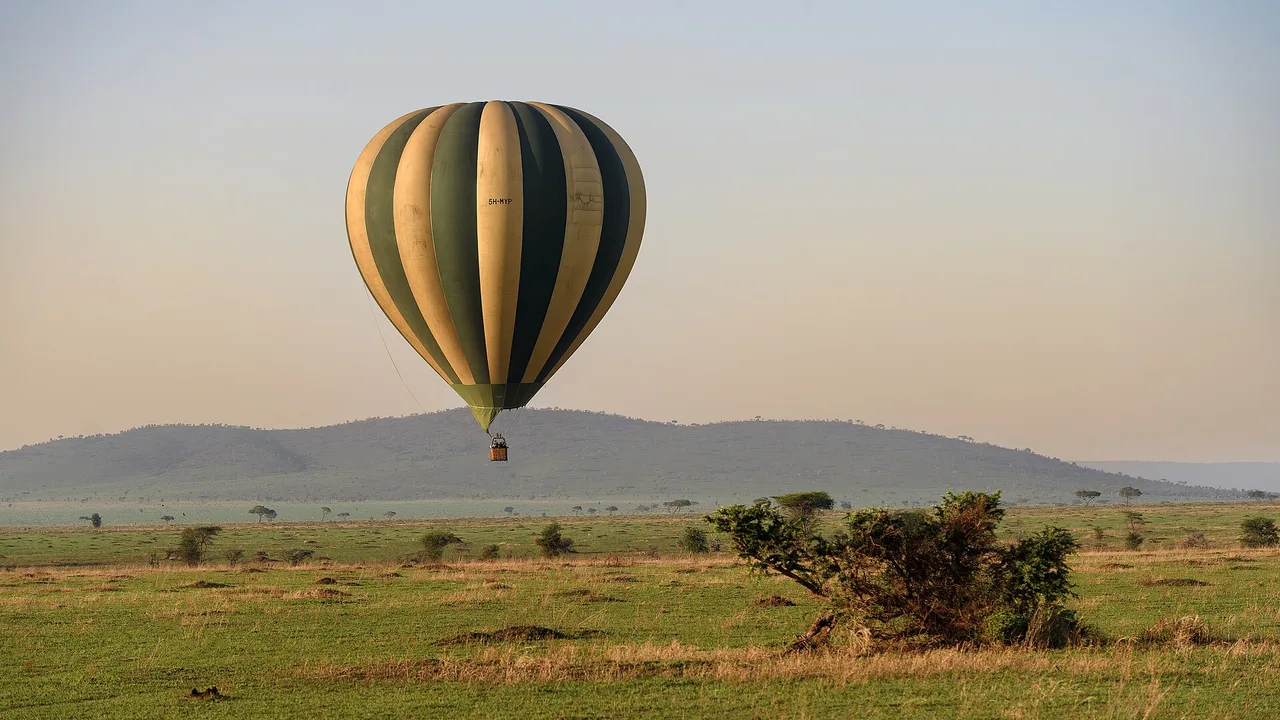
Endless plains, kopjes, big cats and the migration for most of the year. It is large, so allow at least three nights and, ideally, stay in the part of the park where the herds are expected. A sunrise balloon flight is a popular extra in the Serengeti.
Ngorongoro Crater
A vast volcanic caldera with a high density of wildlife on its floor, and one of the few places on the Northern Circuit where black rhino may be seen. One full crater day is usually enough, and it combines well with the Serengeti on the same route. See the Classic Serengeti and Crater tour.
Masai Mara
The Kenyan continuation of the Serengeti. Smaller and busier, but very productive for lions, cheetahs and leopards, and the classic place to watch river crossings in the dry season. Conservancies around the reserve offer quieter game drives. Compare the Maasai Mara and Nakuru tour.
Amboseli
Known for large elephant herds and, on clear days, views of Kilimanjaro rising across the border in Tanzania. Amboseli sits close to the Namanga border post, which makes it a natural link between the two countries. Look at the Amboseli and Tsavo tour.
- For Serengeti, Ngorongoro and Zanzibar, start with TanzaniaAssist.
- For Masai Mara, Amboseli and the Kenyan coast, start with KenyaAssist.
- For both, tell either team your month and number of days, and we plan the full route.
A Combined Itinerary Idea (About 14 Days)
This is an example for the July to October season, when the herds are usually in the north. Outside that window, we would move more nights into the Serengeti and keep Kenya for Amboseli or skip it.
- Days 1–2: Nairobi. Arrive at Jomo Kenyatta International Airport and rest before the safari.
- Days 3–5: Masai Mara. Fly from Nairobi’s Wilson Airport or drive to the Mara for three nights and game drives near the river.
- Days 6–7: Amboseli. Elephants and Kilimanjaro views, then continue by road towards the Namanga border.
- Day 8: Cross to Arusha. Namanga is the main road crossing between Kenya and Tanzania on this route.
- Day 9: Tarangire. Elephants and baobabs, especially rewarding in the dry season.
- Days 10–11: Ngorongoro. A full day on the crater floor.
- Days 12–14: Serengeti. The northern or central Serengeti, depending on where the herds are, then fly out or continue to the coast.
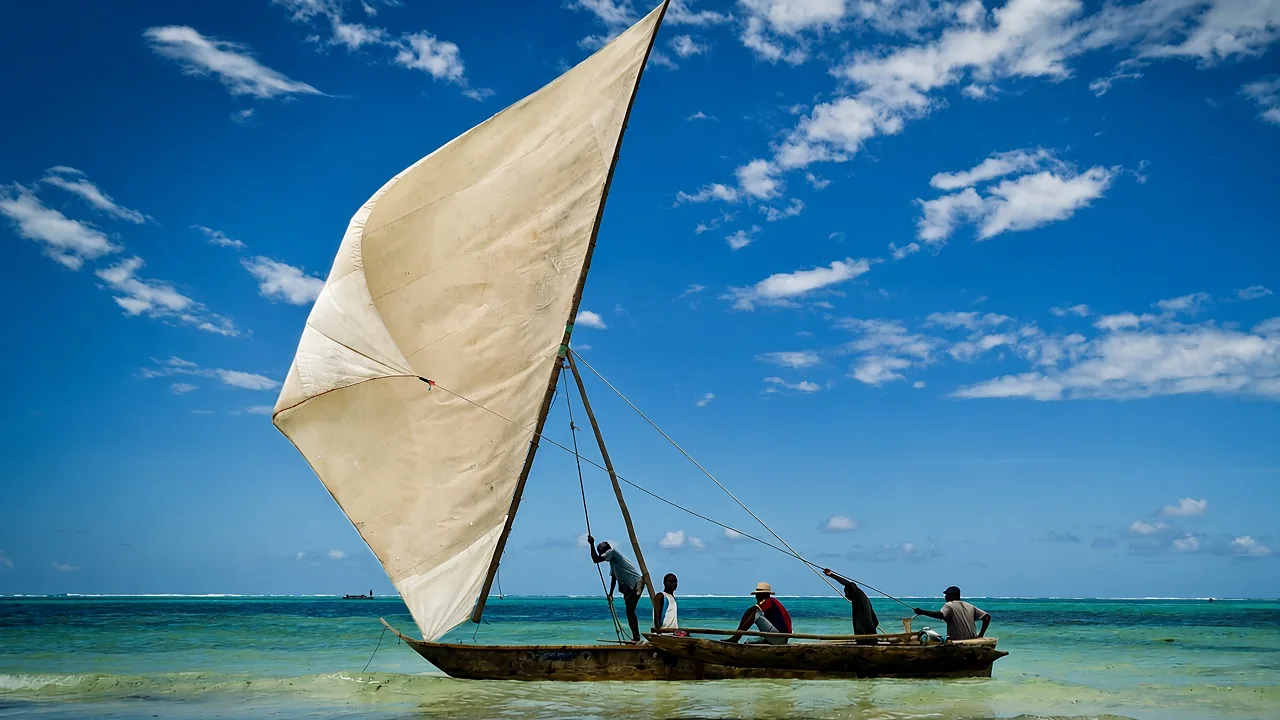
Want a beach at the end? Add three to five nights on Zanzibar, which is a short domestic flight from the Serengeti or Arusha, or on Kenya’s coast at Diani Beach. The Bush to Beach tour in Tanzania and the Bush to Beach Coast Escape in Kenya are good starting points.
Crossing the Border: Practical Tips
There is no regular tourist crossing between the Serengeti and the Masai Mara inside the parks, even though they touch. Most travellers either cross by road at Namanga, between Nairobi or Amboseli and Arusha, or take a regional flight between Nairobi and Kilimanjaro or Arusha. Safari vehicles usually do not cross the border, so a combined trip normally means changing vehicle and guide, which your planning team arranges in advance.
- Visas and entry: Kenya and Tanzania have separate entry rules and online systems. The East Africa Tourist Visa covers Kenya, Rwanda and Uganda, but not Tanzania. Always check the official government portals before you travel, as rules change.
- Health: Ask your doctor about vaccinations and malaria prevention, and check whether a yellow fever certificate is required for your route.
- Luggage: Light aircraft to safari airstrips usually have strict weight limits and often require soft bags.
- Time: Allow a full day for the overland crossing and the transfer to Arusha. Do not squeeze a game drive into the same day.
Best Time to Go
The long dry season from about June to October is the classic safari time in both countries: animals gather near water, vegetation is thinner, and the Mara crossings happen. January and February are excellent in the southern Serengeti for calving. The long rains, roughly March to May, bring green landscapes and fewer visitors, but some roads and camps are affected. The short rains usually fall around November and December. If you combine safari with Zanzibar or the Kenyan coast, the dry months work well for the beach too.
Frequently Asked Questions
Can I see the Serengeti and the Masai Mara on one trip?
Yes. Plan about two weeks, cross at Namanga or take a regional flight, and travel between July and October if you want the herds on both sides.
Which is better for the Great Migration, Tanzania or Kenya?
The herds spend most of the year in Tanzania’s Serengeti. Kenya’s Masai Mara is the focus from roughly July to October, when river crossings are most likely.
Can I drive directly from the Serengeti into the Masai Mara?
Not on a normal tourist route. The usual options are the Namanga road crossing or a flight between Nairobi and Kilimanjaro or Arusha.
How many days do I need for a combined safari?
Around 12 to 14 days for safari alone is comfortable. Add three to five days if you want a beach finish on Zanzibar or the Kenyan coast.
Is one country enough?
Often, yes. With a week or less, choose one country and spend the time in the parks rather than on transfers.
Plan Your Tanzania and Kenya Safari with a Local Team
Tell us your month, your number of days and what matters most to you. Our local experts in Tanzania and Kenya plan the route, the border crossing and the beach add-on.
Book a Tanzania Safari Book a Kenya Safari